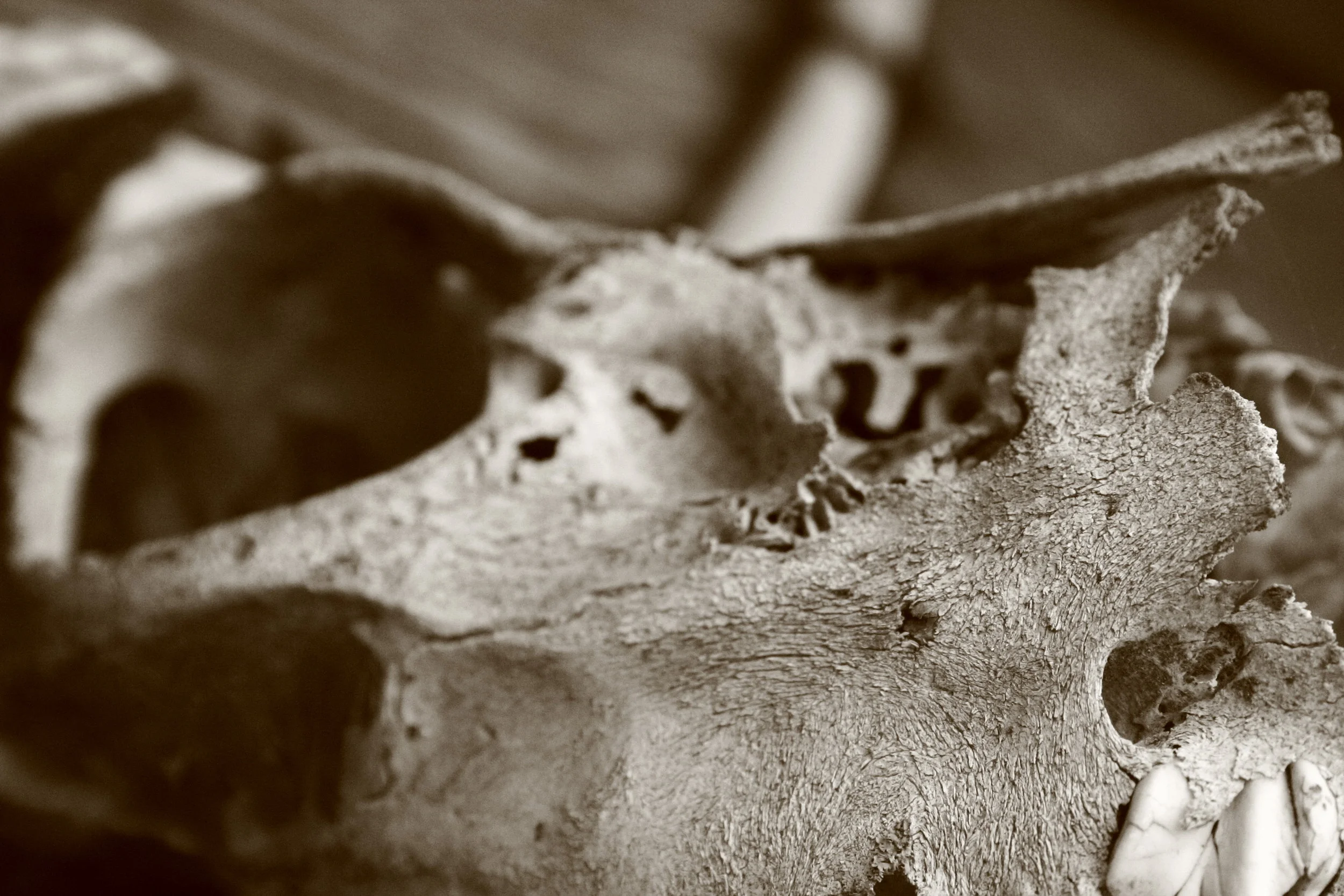
gold miner in the tub
talks of an empty grave
Read More
the ofsedgeandsalt blog ran for many years from 2016-2021. find new writings on the ground shots substack, here. scoll down to the bottom to peruse the blog archives by year.
This past month, I've been staying close to the Gila river, a mostly un-dammed river, located in southern New Mexico. According to Wikipedia: 'Indigenous peoples have lived along the river for at least 2,000 years, establishing complex agricultural societies before European exploration of the region began in the 16th century.' (Gila, below) The river was the center of life, and was inhabited by the Pima, Hohokam.
The past few weeks I have been on the road traveling from Tuscon, AZ after finishing my Signal Fire Wide Open Studios trip, to Durango, Colorado. I met with a new sweetie there. We spent a week and a half canning roadkill deer meat, processing pine nuts we had harvested together a month before when we met up in the remote depths of Nevada, making apple and pear butter from local fruits, concocting batches of deer chili, rendering pork fat for cooking, making deer jerky from the best cuts, pressing medicinal mushroom tinctures for resilience and longevity, planting wapato and camas Gabe collected earlier in the year with the intention to spread their ranges elsewhere, and more. I worked on getting some pieces finished on ground shots land capsules including working on a digitally designed zine, a learning curve that still feels slow for me.
This past summer, I taught hide tanning at Jim Croft’s ‘Old Ways of Making Books’ class. Jim is a medieval bookbinder who teaches how to make books from ‘the ground up’ in the old world European medieval style. I posted about this class a couple years ago on the blog, with a photo diary that you can find here.
I see pain and joy everywhere. Clouds fill the sky, the air is moist and heavy. Yet, there is a lightness on the landscape, this city full of bodies and eras, and movement shown by the layers of trash, broken cars and garden plots.
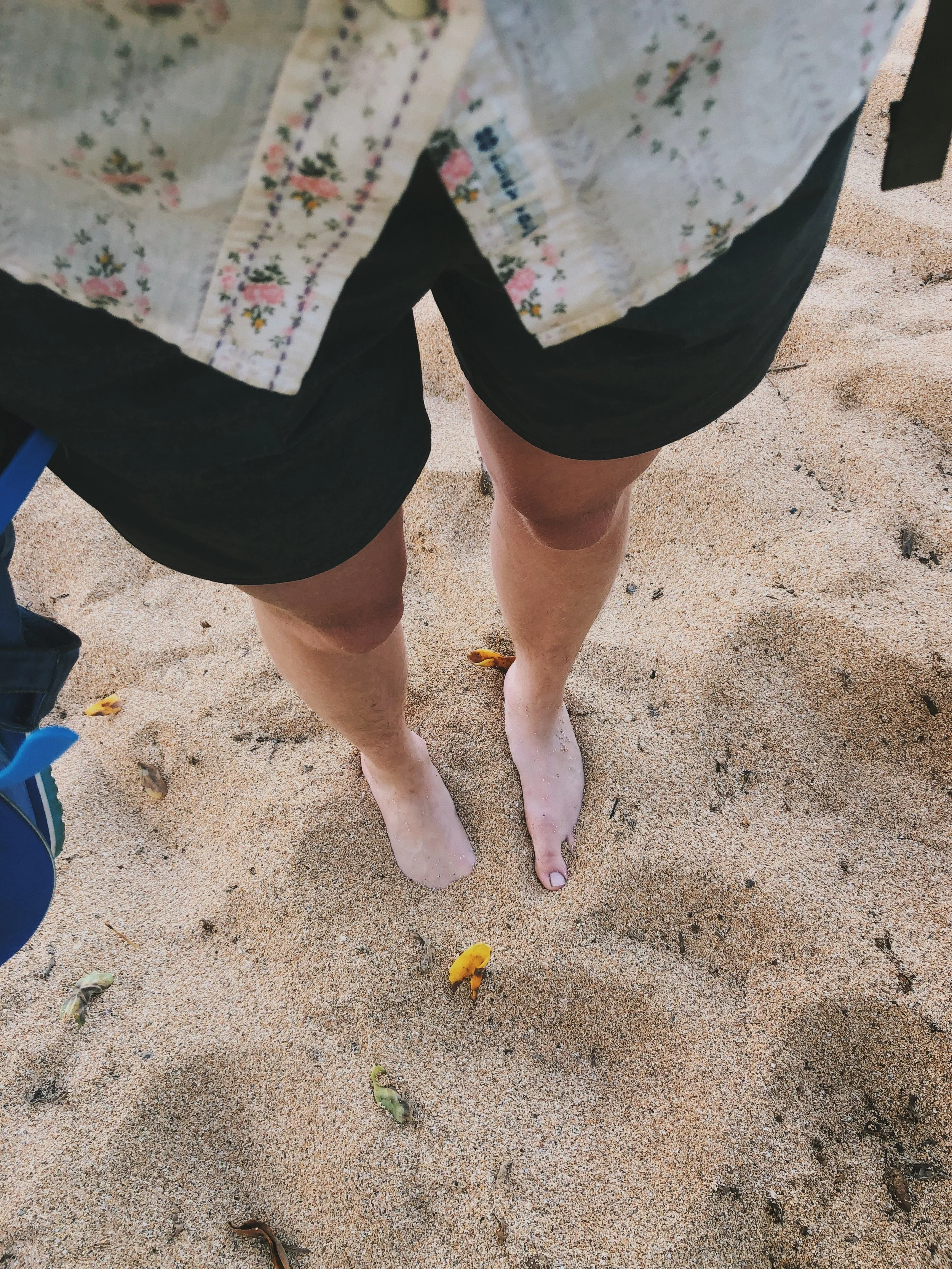
walking slowly
In the fierce sun,
mosquito humid thick
but a constant breeze coming from the vast ocean
moving through the glut of it
heavy is the blue and white micro-plastic matter
scattered amongst dead coral,
bleached
and plastic containers, a rotting black beach ball
with shells carefully and tenderly attached
making home in the toxic wasteland
— of paradise.
The common name Blueberry can actually refer to a few different species of Vaccinium, and often Vacciniums are called Huckleberries or Bilberries depending on where you are, and some plants are Vacciniums but are not called either- like Cranberry.
I don't know what it is, the lack of car sounds, or the pleasant company of just trees and birds. Once I get out there and am really alone in solitude, all the things that get shoved away into the crevices of my mind or maybe it is my chest somewhere, come back in waves. Sometimes this looks like utter joy. It is this sense of pleasure found in simply being in one's own company, with no agenda concerning others, with only momentary whims from which to respond. It is perhaps the relief of being 'unobserved' and free.
I recenly had a revisiting of what I consider my ‘home' turf’ of sorts, the Piedmont south. I came east this fall to do an artist residency at Cornmeal Press in Petersburg, VA and visit my family in South Hill, VA. While I never made it to Asheville, NC to visit where I used to live (and hope to live again one day), I did sneak down to the Rivercane Rendevous after a teacher at the gathering (thanks Colleen!) offered me an extra family ticket if I wanted to come last minute. I thought about it, and decided to head down for the weekend before pretty much telling any of my friends that were there, except for Kaleb cause I had to tell SOMEONE.
It felt like ‘coming home’ and was incredibly nurturing to my soul to be there and be around old friends. It was quite nerve wracking at first given that no one knew I’d be coming.
Walking down the long linoleum hallway, one can’t help but notice the beaming florescent lights and the huge lack of windows in this thoroughfare. Scattered along the hallways are all different sorts of people in all matter of situations. They stare at you sometimes lost, sometimes sad, others say hello cheerfully. Most sit in wheelchairs and get around on their own. Others just stare blankly as if not aware, or mumble to themselves, traversing psychedelically the space time continuum with their collective wise experiences, integrating it all at the end of life. No one to listen, to channel, to pray with them. Except for the tired, overworked and underpaid care assistants that sit at desks doing paperwork to keep this whole thing rolling, cook, walk around all day to tend to folks’ needs, or just listen. Some get visitors, some never do.
Everyone knows their end is near, that they won’t go back home from here. There is nowhere else to go. No other possibilities. No autonomy or choice. No children to aid, to play with, to speak to, to have sit on warm fragile laps, full of love.
The sterile lifeless hallways, not a green growing thing in sight, alone will take someone down. In Papa’s room, sits only a single Christmas cactus. It’s his roommate’s plant. It sits in a windowsill who’s blinds are closed. I go open them to try to get the land inside of here. I almost knock over the cactus. Carefully I keep it right side up while I pull back the plastic shade.
Why don’t they decorate the shit out of these places? Make them luxurious? It’s the least we can do for elders, even if they are senile, can’t hear, are losing their minds or stuck in the memory of their younger years. It wouldn’t take much to paint the walls blue, put plants everywhere, cut out a few more windows, put a darn garden outside that is wheelchair accessible. The land is kept from this place. It literally is a place of death.
It’s been awhile since I’ve done a plain old blog post on here. To be perfectly honest— I’ve been busy, but also wanting to be quiet for a second. It’s the cold season after all. It’s been a big year of ‘putting things out there’ and doing a lot of extending myself.
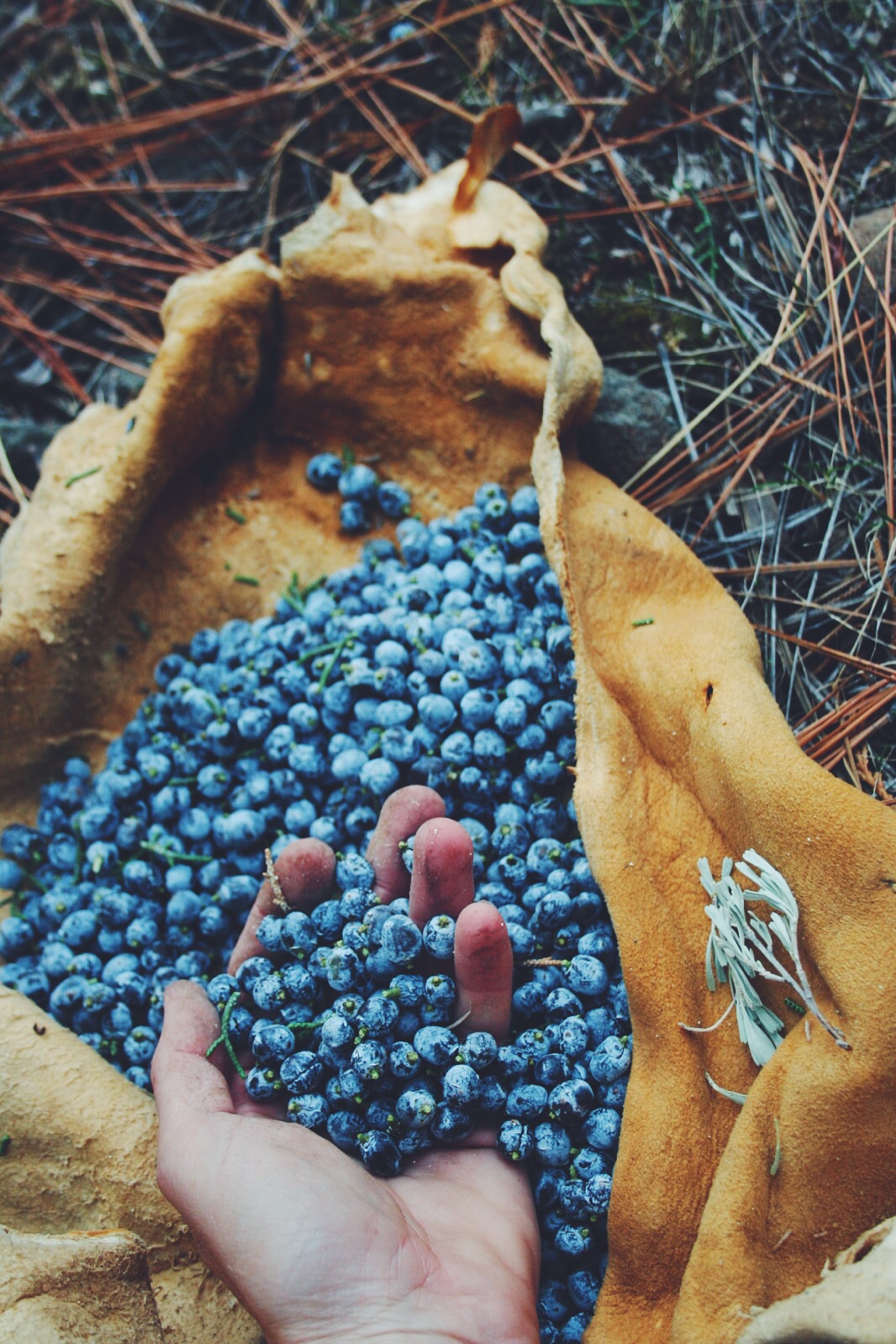
Junipers have a few distinguishing characteristics. They can be big trees, medium sized shrubs or found trailing along the ground. They can grow at pretty high elevation and extreme climates. Often the tree has needle-like or scale-like leaves. Needle-like leaves are most commonly found on younger plants, but sometimes old branches, and some species retain the needle-like leaves. The scale-like leaves are often found on juvenile leaves or older. I’m sure there is an adaptive advantage to having these different leaf types.
I can’t help but react with curiosity to the ways in which artist Tilke Elkins explores the blurry line between what we deem ‘natural’ and ‘un-natural’ through her visual artwork.
In her work, she uses color, story, material investigation, texture and play to give the viewer an opportunity to dive into that blurry line headfirst and not necessarily with the intent to provide definitive answers through that process. Deciding what is natural is not the goal. But, if inviting us to take a second (or third or fourth) look at a ‘thing’ and how we see it and ourselves as belonging or not is the goal, she is certainly succeeding.
Wildness is so ethereal, subjective, really everywhere. But to me, the wildness found here is about being unobserved by other humans, about being at awe at the earth's doings.
On the trail, going steadily uphill, I am followed by a murder of crows hopping from one Devil's Club (Oplopanax horridus) palmate leaf open handed to another. The car sounds disappear and I go deeper into to quiet dampness, and into the company of trees that have seen a lot of change these past 600 years. Ferns, Wild Ginger (Asarum caudatum), Wood Sorrel (Oxalis sp.), Salal (Gaultheria shallon) surround me. I put on my green fleece over my Black Walnut (Juglans nigra) and Yellow Dock (Rumex crispus) seed leaf-print dyed silk shirt made by a friend, and then take it off. On, then off. Movement much needed after a week and a half of being sick, I try to walk fast to get my heart rate up. I cry at the sight of the old Sitka Spruce, standing nearly alone towering over a younger forest, and this is even with half of its top having fell off in the 1950's. All around this elder (though this isn't actually old for what these trees should be) I find the 'Elder,' Red Elderberry, in fact. The one whose berries have been found in archaeological middens sites belonging to the long time native human inhabitants of the Pacific Northwest coast.
We use lines and maps to our advantage. And sometimes to our detriment. Sometimes we use them to make sure people we don't like stay 'out' or don't get to 'have' what we feel entitled to have, like the right to drill for oil on native lands, or the right to have thousands of acres to herd cattle. Or the right to have access to wild space, or the right to live on the side of the city with more real estate value.
I remember the daily glass of Orange or Grapefruit juice I used to have with breakfast growing up. The sweetened and concentrated juices got poured in cold glass jars with ice. My mom would feed my sister and I half a Grapefruit each for breakfast sometimes, covered in sugar to mask the bitter flavor and paired with a special spoon that cuts around in-between the fruit and the white inner skin. Around Christmastime, Orange and Grapefruit would ripen in Florida, and the fruits would make their way up through the South and into local stores. It was common to get an orange in your Christmas stocking, a welcome fresh source of Vitamin C in the depths of winter. I also remember religiously coating my already straw-blonde hair with fresh lemon juice in the summer, sometimes leaving dried pulp in the strands in order to speed up the summer sun's lightening process. Often this left my then long strands snow white by August.
I visited Joshua Tree for a couple of reasons. I was headed to take a sheepskin tanning class with a friend, Maya Beth. Though I have tanned sheepskins before, so honestly I was needing time with other skills folks, women, and doing something with my hands, with others. Its a part of my soul that hasn't felt as fulfilled these past few years as the road brings you to concentrated times of this work, when my life used to just be working on projects living in community all the time. I've home based some out of Nevada County, CA, but I haven't found many folks to do this kind of work with together. I find myself driving hours and hours chasing that precious time and usually it is pretty worth it.
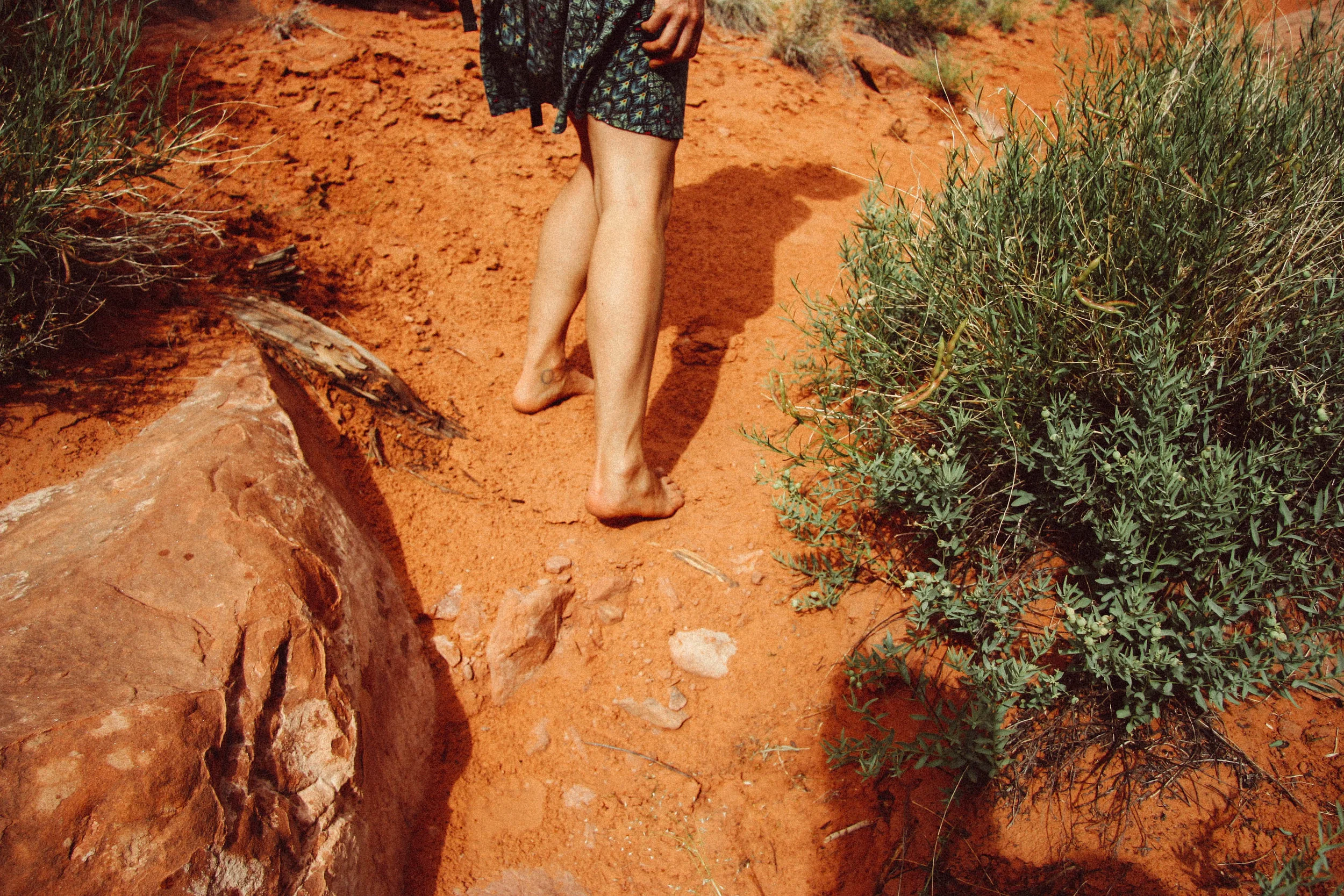
month earlier this year, which proved beneficial for a lone traveler in the desert. The weather was perfect, it even included a few rainstorms during the journey. If you read my post last year from the same trek, you'll see that I traveled through a heat wave and even got a flat tire out in Canyonlands. During this event I was aided by an elderly experienced boon-docking nudist couple (they weren't nude when they helped me, but they run a nudist campground in Arizona).
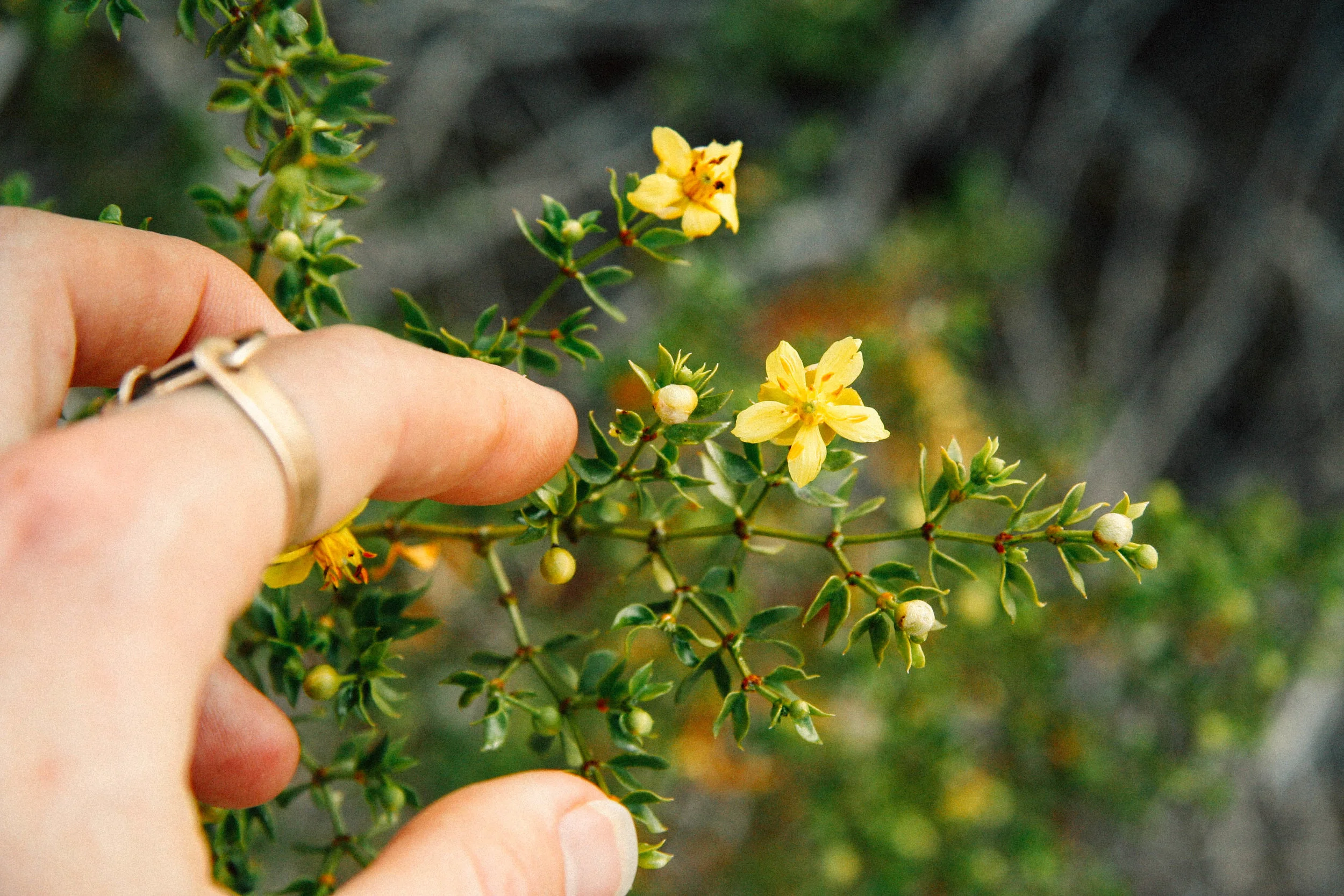
Larrea is also incredibly efficient at reserving water for itself due to harsh temperatures and long periods without rainfall in the desert. As with other plants that have resinous leaves, Larrea's are adapted to retain precious water for its photosynthetic needs. The resins protect the plant from the harsh environment, and it is these concentrated powerful resins that give the plant its greatest medicinal qualities. Mature plants are extremely tolerant of drought. Rising temperatures and recent droughts in the Southwest have actually increased its populations because of this plant's adaptability. When it does rain, the plant takes as much opportunity as it can to absorb the moisture, and the leaves and new branches almost feel succulent to the touch. When it is hot out and hasn't rained for awhile, you can approach one of these bushes and think that it is practically dead- even the newest of branches will break off with clear tree-limb like 'snap.'
While I harvested the flowers, berries, leaves and roots from this ever unfurling / scaling back / unfurling hedge of aromatic wonder woven between the living spaces of my cobb outhouse, the communal outdoor kitchen, our gardens and my cobb cottage home, I also spent just as much time 'cutting back' the 'chaos' being rightfully poked and prodded in return from the protective bramble. I'd spend hours in the humid air gloved covered in thick-canvased Carharts trying to carve paths into the center of giant groves to get the best berries, or cutting them out of and digging them up from the edges of garden beds we allotted for annual food or perennial herbs. I'd find enclaves where the birds made nests, or the deer made tiny beds to rest. I realized through this relationship with pokey and sharp brambles, and my tendency to stay away from parts of the farm that I could not traverse because of the thickets of prickle, that there was a purpose to these hedges.
I am unusually drawn to Cottonwood. The smell of the sticky golden resin that can be found on its buds, petioles, and sometimes leaves is one of my favorites that exist in our world. This love is so great that I wear a perfume made with Cottonwood resin as a base. I rub the salves I make from this plant on my skin and face just to feel what I feel when I smell it. Its a scent, like all scents, that ignites the bypassing of language and goes directly to that primal place of ancestral connection beyond just our human kin. Maybe I love it for that, for that immediate place it takes me, that kind of forget the small talk and the everyday menial sense of things and be in this feeling that our bodies are one part of a greater whole in time and space.
Listening to Elizabeth Cotten on repeat the past two days has me missing home, the south, the swampy weather, the spring ephemerals, the smells of a freshly warming greenhouse in spring. I don't think I'll ever not long for home the way my body does for this place, where my ancestors have tended land in different ways for many generations. It really is in my blood. My family has passed on the love of plants generation after generation and the 'green thumb' seems to run in our genes. I just don't feel right not tending plants in some way. There's something to be said about people inheriting the good and bad things our ancestors did into our own bodies.
There are giant gas rigs in between America’s ‘fruit basket’ groves, pumping away, with political signs every few miles noting that farming was NOT the cause of water shortages. It's all an immense overwhelming facade of extraction, taking all the water, taking all the topsoil, taking all the gas deep down in the earth. The hunger for churning, for turning over, for turning time into an energy that can be used to propel forward, progressing towards something we do not know what. Propelling is life, but as a species in a culture of excess, we aren't encouraged to use this propelling force we churn wisely or carefully.
Yerba Santa is a plant native to California, parts of Oregon and other species are found in the Southwest usually found at lower or mid elevations. It was given the name we currently use meaning 'sacred herb' by settlers that came to the region and noticed it's regular use amongst native groups who had lived here for thousands of years.
Ceanothus is the genus of a group of plants in the Rhamnaceae or Buckthorn plant family. Several species in this genus go by the common name, Red Root.
n my Ground Shots zine #1/2 'Working in Resins,' zine, I included a cut-and-pasted little quick and dirty list at the end, with words on how to stay sane on the road. I don't think I have all the answers to that, and certainly feel like I am still figuring it out myself. But, I decided I'd put together some more thoughts on this since so many folks want to travel but don't know how to start, or feel the weight of fear that comes with thinking something bad could happen out there.
sit here looking out the window, with my typewriter next to me, my books and papers scattered about, covered in writings and maps of ideas and projects, goals and research. My coffee in a handmade mug, half written letters waiting to be finished, packages waiting to be sealed and sent. The pages of books are marked and folded for me to go back and reflect on chosen information, directed at writing projects and ideas unfolding.
dirt story, dance
flip turn dirt dirty buried redneck dirt neck sun neck dirt flipped aired open.